
We hear a lot about spectrums (spectra?) these days?
There is the gender spectrum, the sexuality spectrum, the color spectrum (which looked like this when I was a kid). My son and I both have intimate, personal experience with the autism spectrum (please pray for my poor wife). It seems that there is a spectrum for almost everything – and I sincerely believe that is a wonderful thing. We spend too much time in this world trying to shoehorn objects, tasks, ideas, and people into black-and-white extremes. There is a so much middle ground to go around. So, today, I want to talk a bit about another spectrum: the mystical experience spectrum.
This past spring, I taught a seminar for Middle Tennessee State University on the mystical experience. We covered a lot of ground in that class (and I’m almost finished with an academic article that contains a very important theme brought up by my students in that class – but I’ll blog about that one later). In one of my early lectures, I talked about the beginnings of serious scientific study on the mystical experience. While there were a few intimations prior, the scientific study of mysticism begins in large part with the work of William James, particularly in his magnificent Varieties of Religious Experience.
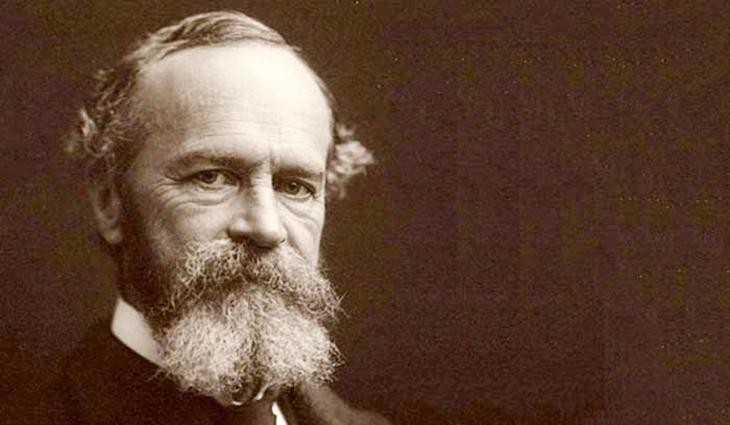
In James’ time (as in ours), the term mystical experience conjures up pictures of fantastic experiences which happen to mysterious and ethereal individuals; however, that’s not the whole story.
James saw that there was a continuum (p. 296-299 [2002 edition]) for mystical experience, and he proposed six stages on it.
First, he initiated the spectrum with the moment of sudden insight – the “epiphany moment.” If you have ever had a moment where the solution to a problem or a new inspiration just suddenly “appeared” to you, then – congratulations – you’re on the spectrum.
Second, have you ever been moved by a speech, literature, poetry, or music (and I would add movies too)? If so, then – congratulations – you’re on the spectrum.
Third, have you ever had a sense of de ja vu? Have you ever had a sense of de ja vu? If so, then – congratulations – you’re on the spectrum.
Fourth, have you ever had a fleeting moment of connection to all things? Perhaps, you had such a moment during quiet contemplation or thrilling exhilaration? If so, then – congratulations – you’re on the spectrum. (Also, at this point, many religions and faith traditions view sexual experience as just such a connection – “two become one,” after all.)
Fifth, have you ever had a profound sense of wonder, awe, or dread that you couldn’t explain easily? If so, then – congratulations – you’re on the spectrum.
Sixth, and finally for James, have you ever had an extreme state of mystical consciousness? Here’s where we often locate “traditional” mystical experiences of dreams, visions, prophecies, enlightenments, and burning bushes. If so, then – well, you probably already know you’re on the spectrum with that one.
Honestly, I think you can expand this list out even further to many moments of connection and community in relationship (James opts for mostly individual examples in his book). The point for James – and the important takeaway for us – is that mystical experience is not just about the fantastic and unknown. It’s about seeing the mysterious in the ordinary just as much (if not more) than waiting for the extraordinary.
There’s more to this world than what we see with our own two eyes – if we’ll just pay attention. Are you on the spectrum? Will you pay attention?
I love this blog. As usual, clear, practical, enlightening. I think I would have added more to the “congratulations” dimension, encouraging folks who may not have seen themselves as particularly mystical til they see James’ taxonomy. But if you’d done that, it would have been too long!
Madoc